Elevate Your Designs with the Leaves in the Wind Vol. 18 Collection
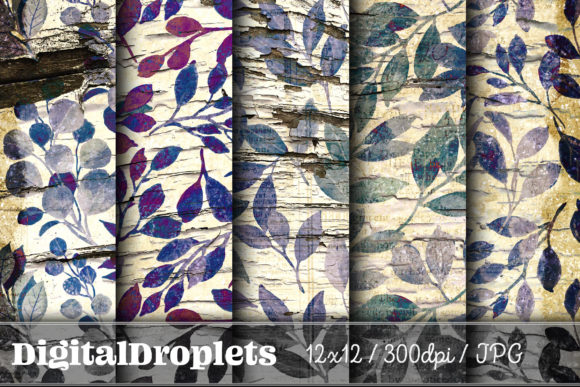
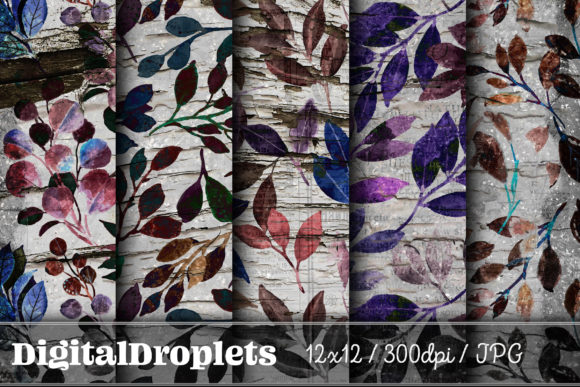
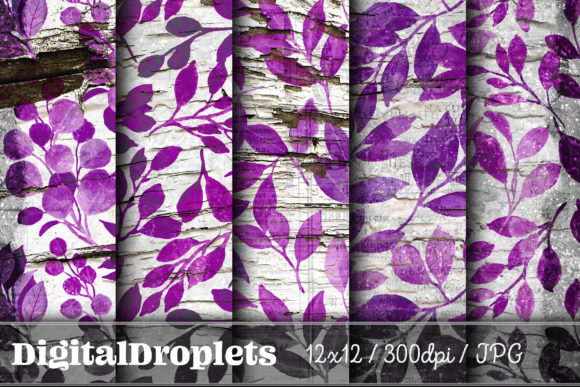
Discover a versatile asset that bridges vintage charm and modern design needs: the Leaves in the Wind Vol. 18 | Collection. This thoughtfully curated set of 20 high-resolution papers offers a unique blend of natural leaf motifs, aged newspaper textures, and a subtle sparkly damask overlay, providing an immediate foundation for projects that require depth, character, and a touch of nostalgic elegance. For graphic designers, marketers, and creators, understanding how to leverage such textured assets is key to producing work that stands out in a crowded visual landscape.
Understanding the Design Asset
The core of this collection is its ability to evoke a specific mood and aesthetic. Each of the 20 distinct 12×12 inch, 300dpi JPEG files presents a different pattern and border, ensuring variety while maintaining a cohesive theme. The layered composition—botanical silhouettes on vintage text with a metallic damask sheen—creates a rich visual hierarchy. This isn't just a background; it's a story element. Such assets are invaluable for designers looking to infuse authenticity and tactile quality into digital and print projects, moving beyond flat, sterile graphics.
Practical Applications Across Creative Fields
The true value of a resource like the Leaves in the Wind Vol. 18 | Collection lies in its adaptability. Its vintage-inspired, nature-themed aesthetic can be strategically applied to enhance various aspects of visual communication and branding.
- Brand Identity & Collateral: Use these papers as backgrounds for business cards, letterheads, or packaging inserts to build a brand identity that feels established, artisanal, or connected to nature. The texture adds a tactile quality to digital mockups and physical prints.
- Marketing & Social Media: Create engaging social media graphics, blog post backgrounds, or email headers that capture attention. The intricate patterns work well as frames, washi tape strips, or overlay elements to add depth to promotional imagery without overwhelming the main message.
- Editorial & Web Design: Incorporate these textures into website hero sections, UI card backgrounds, or digital magazine layouts. They provide a sophisticated alternative to solid colors, helping to guide the viewer's eye and establish a clear visual hierarchy.
- Product & Packaging Design: Ideal for creating labels, tags, or decorative elements for products in the stationery, gift, or home decor industries. The vintage newspaper element adds a narrative layer that can communicate heritage or craftsmanship.
- Creative Projects: Perfect for scrapbooking, junk journals, collage art, and DIY projects. The high resolution ensures crisp prints for invitations, wall art, planner stickers, and other merchandise.
Tips for Effective Integration
To maximize the impact of these design elements, consider a few key principles of professional graphic design:
- Maintain Readability & Hierarchy: When using a busy texture as a background, ensure your foreground text and key elements have sufficient contrast. Use solid color blocks, semi-transparent overlays, or bold typography to make your message clear.
- Ensure Brand Consistency: Select papers from the set that align with your brand's color palette and overall tone. The variety within the collection allows you to find matches for different campaign needs while keeping a consistent feel.
- Focus on Scalability & Quality: The 300dpi resolution guarantees quality for both digital screens and large-format prints. Always test your designs at various sizes to ensure the details remain effective and the composition stays balanced.
- Complement, Don't Compete: Pair these textured papers with clean, modern typography or minimalist logo designs to create a balanced, contemporary aesthetic. This contrast often yields the most professional and visually appealing results.
In the realm of modern design, where authenticity and emotional resonance are paramount, thoughtfully chosen creative assets become powerful tools. The Leaves in the Wind Vol. 18 | Collection exemplifies how a well-designed texture set can do more than fill space—it can tell a story, evoke a feeling, and provide a versatile foundation for countless applications. By integrating such resources with strategic design thinking, creators and businesses can significantly enhance their visual communication, strengthen their brand identity, and produce work that truly connects with their audience.